Kyoto, Japan
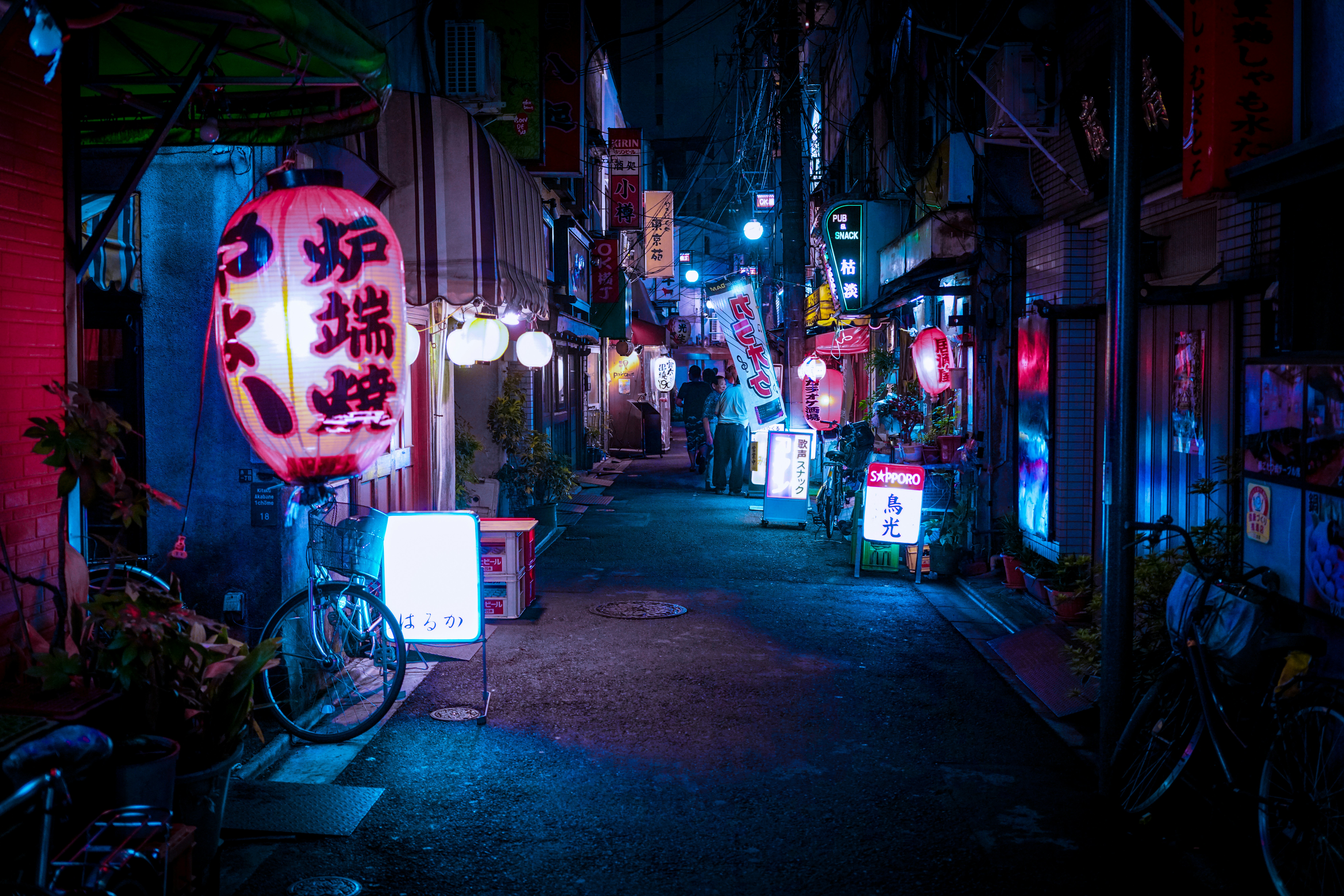
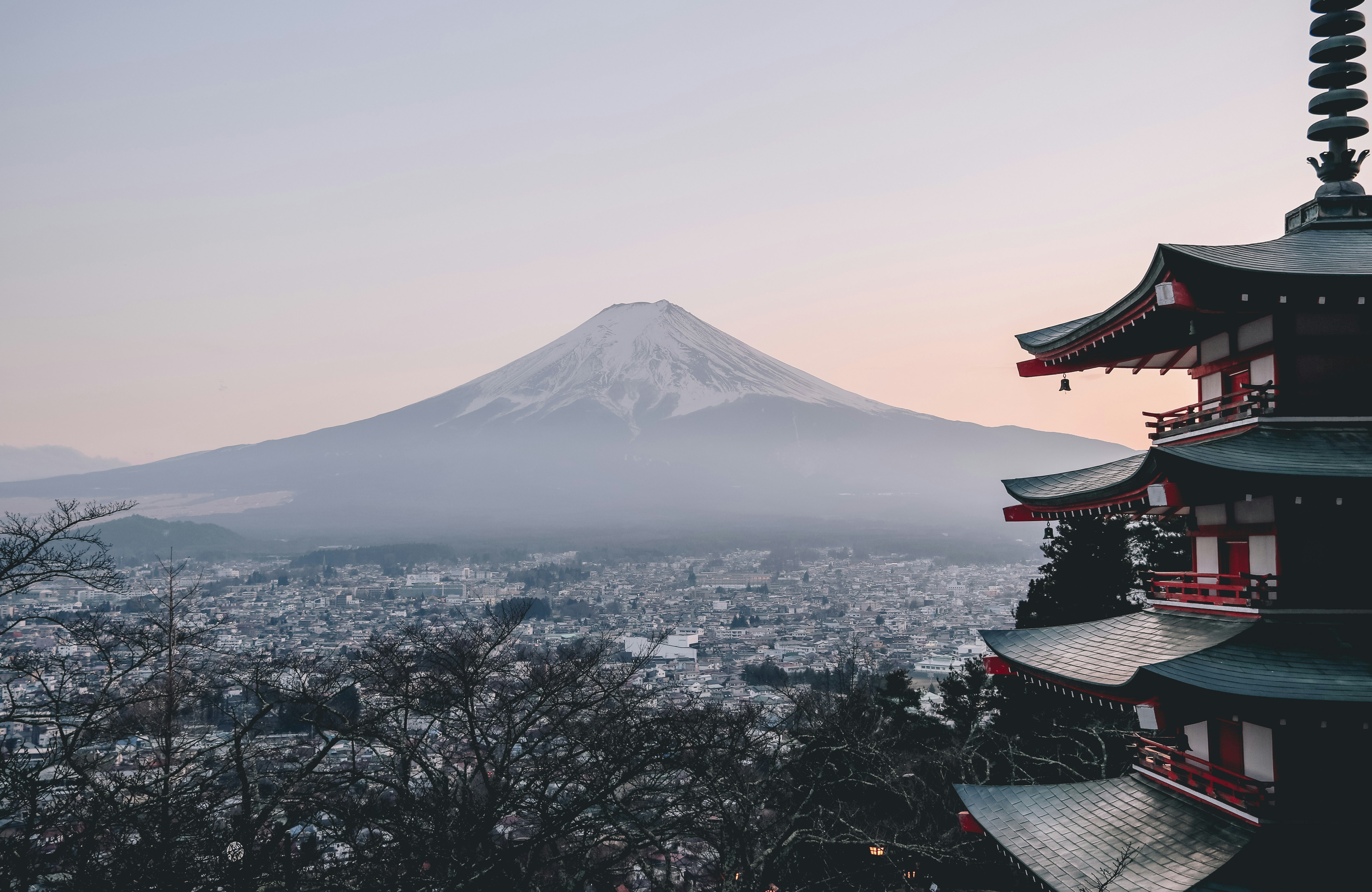
Kyoto, once the capital of Japan, is a city steeped in history and cultural heritage, offering visitors a remarkable journey through time. The city boasts an incredible array of ancient temples, shrines, and palaces that vividly illustrate Japan’s illustrious past. Among the most iconic sites is Kinkaku-ji, the Golden Pavilion, a stunning Zen Buddhist temple covered in gold leaf that shimmers in the surrounding pond. Another must-visit is Fushimi Inari Shrine, famous for its thousands of vermilion torii gates that create a mesmerizing pathway up the mountain. These and many other historical landmarks in Kyoto provide a deep sense of the city’s spiritual and cultural significance.
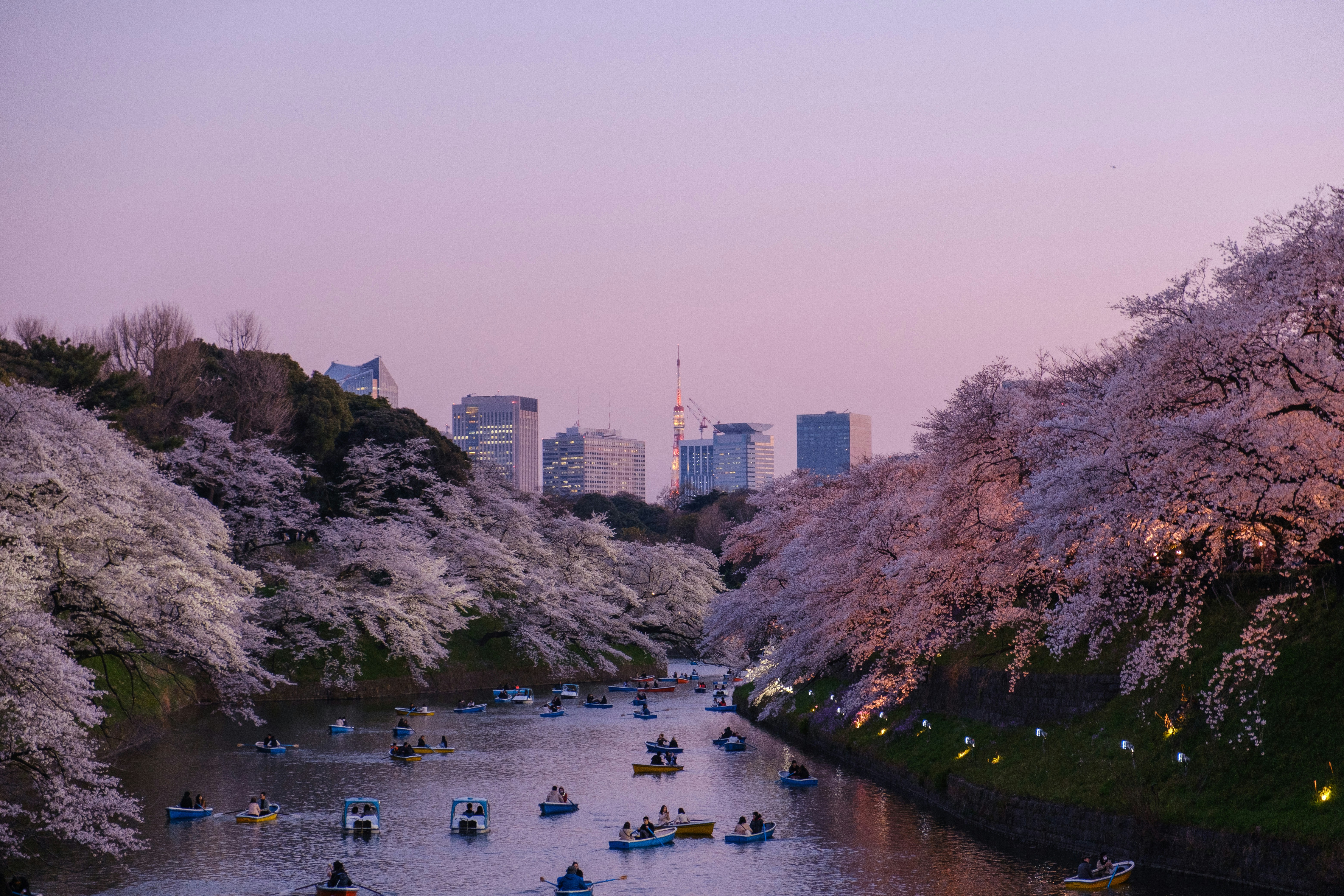
Kyoto’s natural beauty is another compelling reason to visit, with each season offering a distinct and breathtaking transformation. In spring, the city is adorned with cherry blossoms, creating picturesque scenes perfect for hanami (flower viewing) picnics, particularly along the Philosopher’s Path. Autumn transforms Kyoto into a vibrant tapestry of red, orange, and yellow foliage, with the gardens of Tofuku-ji Temple and Arashiyama Bamboo Grove offering some of the most spectacular views. This seasonal beauty enhances the already stunning landscapes, making Kyoto a captivating destination all year round.
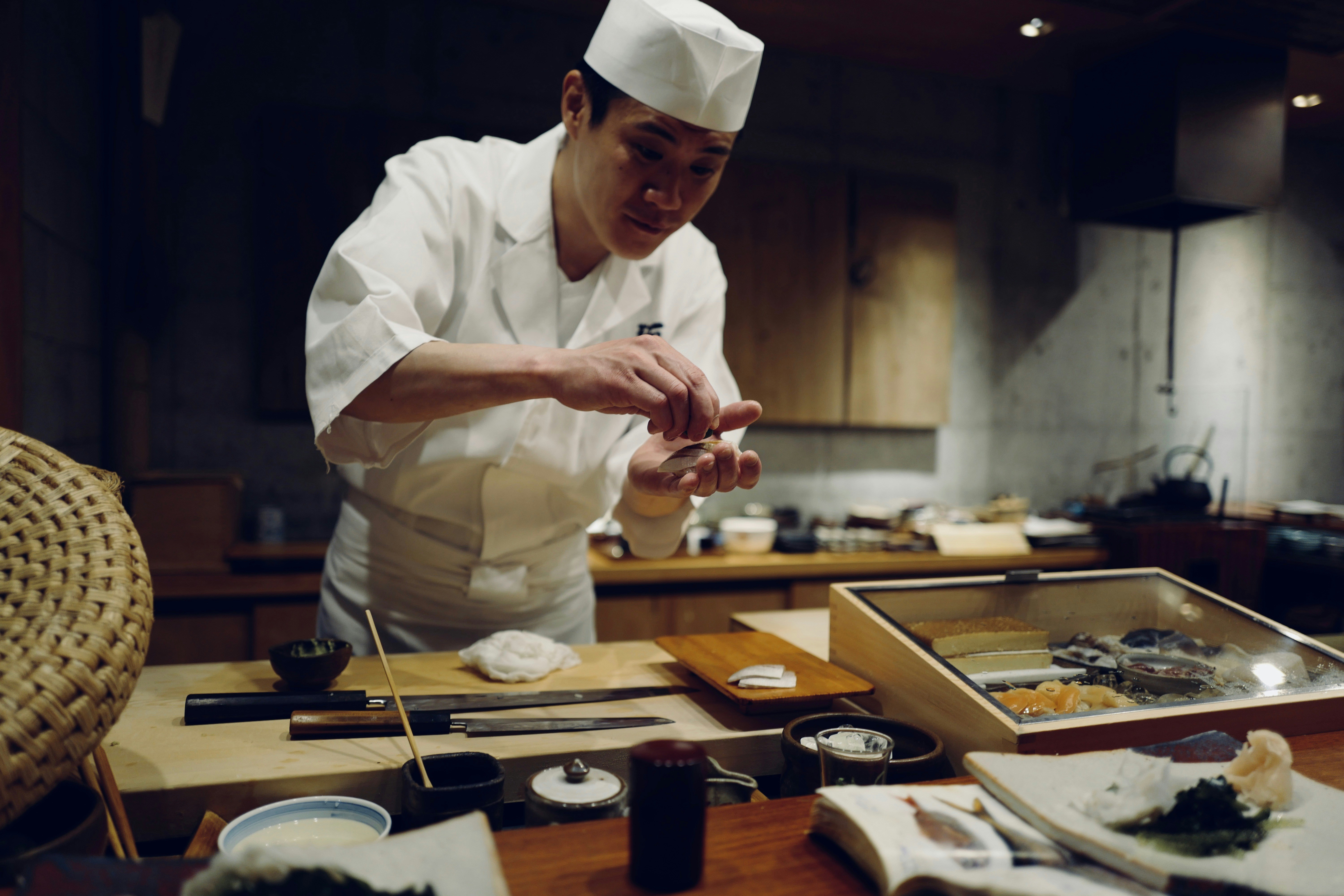
The culinary scene in Kyoto is a delightful journey through traditional Japanese cuisine, renowned for its emphasis on seasonal ingredients and meticulous presentation. The city is famous for its kaiseki dining, a multi-course meal that offers a true taste of Kyoto’s gastronomic heritage. Visitors can also savor local specialties such as yudofu (tofu hot pot), Kyoto-style sushi, and matcha (green tea) sweets. Nishiki Market, often referred to as “Kyoto’s Kitchen,” is a bustling hub where one can explore a variety of local delicacies and street food. Kyoto’s tea houses and ryokan (traditional inns) also provide an authentic culinary experience.
Kyoto is a hub for traditional Japanese arts and crafts, with a rich legacy of artisanship that is still very much alive today. Visitors can experience the elegance of tea ceremonies, witness the intricate art of kimono weaving, and participate in pottery workshops. The Gion district, known for its preserved wooden machiya houses, is the heart of Kyoto’s geisha culture. Here, one can enjoy traditional performances of dance and music by geiko (Kyoto’s term for geisha) and maiko (apprentice geisha). This artistic heritage offers a deep connection to Japan’s cultural roots and provides a unique cultural experience for visitors.
Despite its ancient heritage, Kyoto seamlessly blends tradition with modern conveniences, ensuring a comfortable and enriching stay for all visitors. The city is equipped with excellent public transportation, making it easy to explore its many attractions. Luxury hotels and traditional ryokan provide a range of accommodations, from modern amenities to authentic Japanese experiences with tatami mats and futons. Kyoto’s shopping districts, such as Shijo Street and Kyoto Station, offer everything from high-end fashion to unique souvenirs, allowing visitors to enjoy both the historical and contemporary aspects of the city.